Unveiling the Science and Secrets of Temple Rituals & Traditions
Temples have been central to Indian culture for centuries, not merely as places of worship but as holistic centres of well-being. Rooted in profound Vedic wisdom, temple traditions are deeply intertwined with science, psychology, and spirituality.
Every ritual, from the architecture to the offerings, has a purpose that transcends devotion, impacting both the physical and metaphysical realms of human existence. Let us unravel the hidden science behind some of these time-honoured practices.
The Moolavirat: Where Energy Meets Divinity
The main deity or Moolavirat in temples is strategically installed at geologically significant spots where magnetic and electronic waves converge beneath the earth. This energy nexus creates a unique field that interacts with human consciousness. Copper plates are often buried beneath the idol, fired and treated to act as catalysts, enhancing these energies. This placement ensures that visitors experience a subtle yet transformative flow of positive vibrations.
The Power of Circumambulation (Pradakshina)
Walking around the sanctum in a clockwise direction is not merely a ritual of reverence but an energy-alignment exercise. Temples, designed following Vedic architectural principles, amplify and direct the earth’s natural energy fields. As devotees circumambulate, their bodies absorb these energy waves, invigorating the chakras and creating a sense of inner harmony. This process also promotes mindfulness and a meditative state, grounding the devotee in the present moment.
Jewellery: More Than Adornment
The tradition of wearing gold and silver jewellery during temple visits has a scientific basis. Precious metals like gold, known for their conductivity, effectively absorb and transmit energy. In temples, this practice helps individuals resonate with the temple’s energy field, amplifying the benefits of their visit.

The Symbolism of Coconut Offerings
Coconuts are a universal offering in Hindu temples, but their significance goes beyond symbolism. The hard outer shell represents the ego and pride, which must be broken to reveal the pure, unblemished core within. The sweetness of coconut water signifies the unconditional love and sweetness of life. This act is a reminder of humility, purity, and the joy of giving.
Chanting Mantras: Activating Neurons
Mantras are more than sacred verses; they are meticulously crafted sound vibrations that influence the brain’s neural pathways. Chanting mantras in specific rhythms activates neurons, much like programming a computer, enhancing memory retention and mental clarity. Additionally, these vibrations resonate with the environment, creating a serene and uplifting atmosphere.
The Inner Sanctum (Garbhagriha): A Reservoir of Energy
The sanctum sanctorum, or garbhagriha, is the temple’s core. Designed as an energy reservoir, the sanctum concentrates and radiates cosmic energy. The deity is placed at the center, and visitors are advised to stand slightly to the side while praying to absorb this energy fully without disrupting its flow. This interaction between the devotee and the sanctum creates a profound spiritual experience.
Abhishekam: Energising the Deity and the Devotee
The ritual of pouring substances like milk, honey, or water over idols made of panchaloha (five sacred metals) is an example of ancient science. These metals interact with the liquids, creating therapeutic properties. When distributed as prasadam, these substances carry healing vibrations that energize and nourish the devotee, promoting physical and mental wellness.
The Healing Warmth of Aarti
Camphor, used during aarti, has powerful medicinal properties. Burning camphor purifies the air, releasing a therapeutic warmth. When the aarti flame is brought near the eyes and face, it activates detoxification processes in the body, aligning with Ayurvedic principles of rejuvenation. This seemingly simple act exemplifies the profound synergy between ritual and science.
Teertham: The Elixir of Life
The holy water distributed in temples is not ordinary. Infused with healing ingredients like tulsi, camphor, and cloves, and often prepared with substances used in the abhishekam, teertham is a medicinal tonic. This sacred water, offered with devotion, cleanses the body and mind, leaving a calming effect on the devotee.
The Sacred Attire (Madi): Enhancing Vitality
The tradition of wearing freshly washed clothes during temple visits emphasises cleanliness and purity. Scientifically, such clothing enhances oxygen absorption and keeps the body fresh, aligning with the principles of holistic health and hygiene.
Offerings and Their Significance
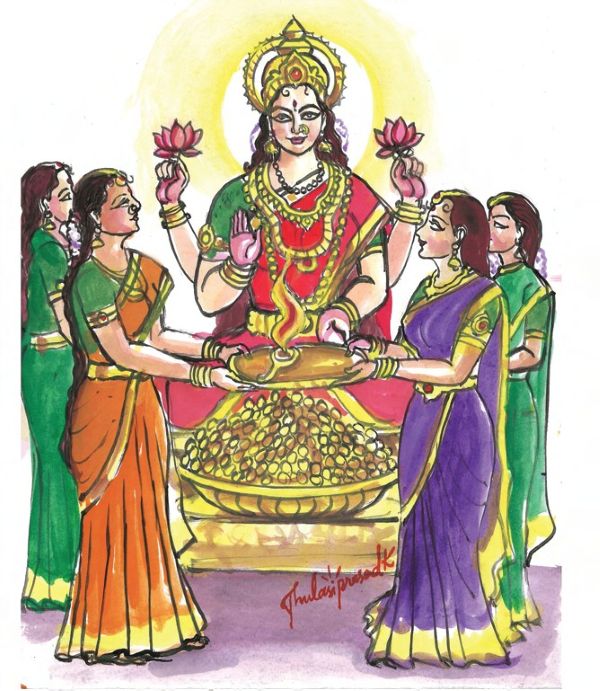
Temple offerings like flowers, fruits, and incense symbolise more than devotion. Flowers, especially fragrant ones like jasmine, elevate the mood and reduce stress levels. Fruits signify nourishment and the importance of sharing abundance, while incense purifies the air, creating a conducive environment for meditation and prayer.
The Psychology of Temple Visits
The very act of visiting a temple is designed to shift the focus inward. From the calming chants to the rhythmic ringing of bells, every element fosters mindfulness. The architecture, resembling the human body, reflects the alignment of the physical and spiritual realms, inviting a deeper connection with oneself.
Science and Spirituality in Perfect Harmony
Indian temples are not merely places of worship; they are sanctuaries of science, spirituality, and self-discovery. Their rituals, rooted in Vedic knowledge, seamlessly blend metaphysical insights with practical applications. By understanding the deeper significance of these practices, we can appreciate their relevance in modern life. Temples remind us of the profound interconnectedness of the cosmos, the human body, and the divine—a timeless testament to the brilliance of ancient wisdom