Tirumala Temple’s Top 3 Functionaries: Roles and Responsibilities
Article by Sri Archakam Ramakrishna Deekshitulu
To understand how the daily proceedings of the temple are carried out, it is necessary to have a basic understanding of the important functionaries who take part in all the rituals, from time to time.
Let us briefly look at each of these three important functionaries’ roles in all the activities of the Temple here in this article.
Tirumala Hill Shrine is visited by millions of devotees around the world for a fleeting glimpse of their ever-loving and most revered presiding deity, Sri Venkateswara Swami Varu.
The Aditya Purana mentions
vEdEshu cha purANEshu vEmkaTESa kathAmRutam |
varNitam chEtihAsEshu bhAratAdyAgamEshu cha ||
The history of Sri Venkateswara and his dwelling place vEmkaTAdri is eulogised in Vedas, Puranas, itihasas, Mahabharata and other Agamas. Whatever we know, how much ever we know and so much ever our heart throngs to know about Sri Venkateswara, it is like eternal nectar for all the devotees.
There’s so much content about the history of the Tirumala Hill Shrine and its presiding deity, Sri Venkateswara Swami, the offerings of his devotees, but very few know about the important functionaries or ‘Kainkaryaparas’, who perform and offer divine services directly to Sri Venkateswara Swami.
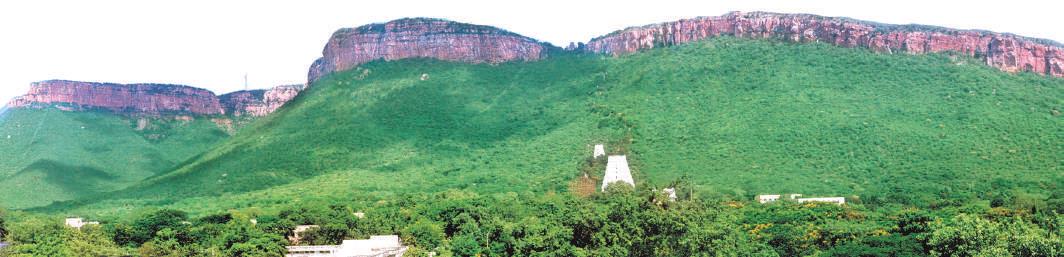
Among all the functionaries that offer their respectful divine services to Sri Venkateswara, three are more important.
They are
- Vaikhanasa Archakas,
- The Jeeyangar Swamis and the
- Acharya Purushas.
It is always fascinating to know more about Bhagavan Venkateswara and the different aspects of the day-to-day services of the Tirumala Hill Shrine. Let us try to briefly look at these three important functionaries of the Tirumala Hill Shrine.
The Vaikhanasa Archakas play a very important role in all the rituals of the Shrine. The other two functionaries of the temple, Sri Sri Pedda Jeeyangar, Sri Sri Chinna Jeeyangar, Ekangi and the 7 Acharya Purushas of the temple, will offer their respective services to Lord Venkateswara in all the rituals of the shrine.
There is a recorded document in TTD about the Kainkaryams that can be performed in the Tirumala temple by these three functionaries. This document is called ‘Sawal Jawab Patti Fasli 1227’, which literally translates to ‘A tabular record of Questions and Answers’.
This document contains statements, in the form of questions and answers, from the above three functionaries regarding different types of Kainkaryams performed by them from time to time throughout the year during all rituals. It was recorded by the East India Company when they took the administration of the temple from the Arcot Nawabs in the year 1801 AD.
It was recorded in the Fasli year 1227, which corresponds to 1817 AD. (Fasli Calendar is a chronological system introduced by the Mughal emperor Akbar, basically for land revenue and records purposes in northern India and is also widely used where the kings of Nawab ruled)
The British Rulers recorded these important details to avoid future claims and complications from one another of this three functionaries as they don’t have enough knowledge on the rituals and kainkaryams that one can perform according to the usage and custom of the Tirumala temple. On 31st July 1801, the East India Company took direct management of the temple.
The first Collector of North Arcot (Tirumala is a part of North Arcot at the time of record) was Mr. Stratton, who was then styled the Collector, Western Poliams. He made very careful and exhaustive enquiries, not only about the territory entrusted to him but also about the history, tradition and resources, usage and custom of this temple.
He asked a series of questions on all aspects of its administration and answers were furnished by those in actual management of the affairs of the temple and the information gathered were recorded as ‘Sawal-e- Jawab’ account.
Vaikhanasa Archakas
The Sawal Jawab Patti enumerates the details of Vaikhanasa Archakas, who were continuing their family hereditary job since the consecration of the temple by their ancestor Sri Gopinatha Deekshitulu, according to Sri Venkatachala Mahatyam. (The Venkatachala Mahatyam is a compilation made from as many as 12 Puranas (Dvadasa Puranas), which elaborates about the Tirumala Hill Shrine. This is the only source from Smriti regarding the Tirumala temple.
According to Puranas, Sri Gopinatha was the Krishna Bhaktha priest at the ‘Mannargudi Sri Rajagopalaswami temple’, which is present in Tamil Nadu even to this day. Sri Venkateswara Swami appeared to Sri Gopinatha in his dream and instructed him to go to the seshachalam hills and find His own statue buried under an ant hill and that a potter by the name of ‘Kuruva Nambi’ would find him on his way and help him in finding the lord.
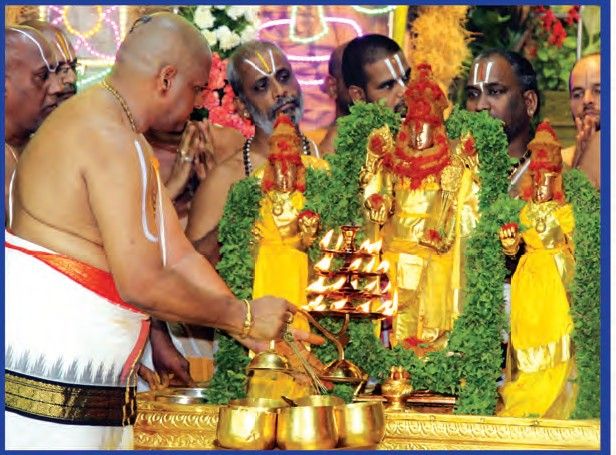
The present ‘Druvaberam’ of Sri Venkateswara Swami was consecrated by the first priest Sri Gopinatha Deekshithulu.
Further the family of Gopinatha, is said to be divided in to two families with two gothras, Gopinatha Deekshitulu belongs to ‘Bharadwaja’ gotra (same gotra as Lord Venkateswara) and the other one started after a great Archaka in the 10th century ‘Sri Srinivasa Deekshitulu’, who belongs to ‘Kausika’ gotra. According to rules laid by Dharma Sastras, Archakas are not permitted to render worship services, if a birth or death takes place in a particular family (gotra).
Also called as ‘jAtAsoUcham’ and ‘mRitAsoUcham’ technically. So during the 10th century the Archaka family divided into two so that if one gotra gets asoucham, the other one will take care of worship of the Lord. At present, these two families, in the course of time, are further divided into four families, with two families each under Bharadwaja and Kausika gotras.
The Sawal Jawab Patti records these four families named after the villages, they reside and enjoy income from the said villages as a gift from Kings, in and around Tirupati region.
- Gollapalli Family and
- Paidipalli Family belong to the Bharadwajasa gotra,
- Tirupatamma gari Family and
- Peddinti Family belong to the Kausikasa gotra.
The Tirumala Archakas have their surname as ‘Archakam’, which is their occupation itself and their names end with ‘Deekshitulu’. So the Archakas with the name ‘Deekshitulu’, are the ones holding the hereditary rights for Archakatvam services to Lord Srinivasa. All Vaikhanasas are by birth has to serve as Temple priests. ‘Deekshitulu’ literally means ‘Deeksha – A Vow taken to fulfill, till their death’.
Archakatvam services to Lord Venkateswara
Here the Archakas of Tirumala had taken the Vow of rendering ‘Archakatvam services’ to Lord Venkateswara throughout their life. The Archakas of Tirumala, Mannargudi (Tamilnadu) and Chidambaram (Tamilnadu) alone have their family last name as ‘Deekshitulu’ or ‘Deekshithar’ since ancient times. The names of the then heads of these families recorded in the Sawal Jawab Patti are
- Archakam Venkatapathi Deekshitulu (Bharadwaja gotram), Inamdar of Gollapalli village.
- Archakam Gopinatha Deekshitulu (Bharadwaja gotram), Inamdar of Paidipalli village.
- Archakam Srinivasa Deekshitulu (Kausika gotram), Inamdar of Vemuru village.
- Archakam Seshadri Deekshitulu (Kausika gotram), Inamdar of Chiguruvada village.
These four families hold hereditary right for rendering Archakatvam services to Lord Venkateswara, Tirumala hills and also Lord Varahaswamy temple. Among these four, the Tirupatamma gari and Peddinti families also hold Archakatvam hereditary rights for Lord Govindaraja Swamy temple, Tirupati.
Their basic duties are also mentioned in the said document. It is interesting to read this document and the language used in this document is Telugu language with very basic Chittoor (present Tirupati) district village accent.
The Archakas have to get up early and finish all their Morning Anushtanams in their residence at North Mada Street. And when Sannidhi golla calls them to the temple, they have to follow him with the temple keys ‘Kunche Kola’ to the temple. After opening the doors of the Bangaru Vakili, They have to perform Archana (daily worship sequence), Abhishekam, Morning, Afternoon and Evening Aradhana viz., Thomala Seva, Sahasranamarchana, Dhupa, Deepa offerings, Naivedyam and Mangala Harati. After the darsan commences they have to give Theertham, Satari and Chandanam to visiting devotees.
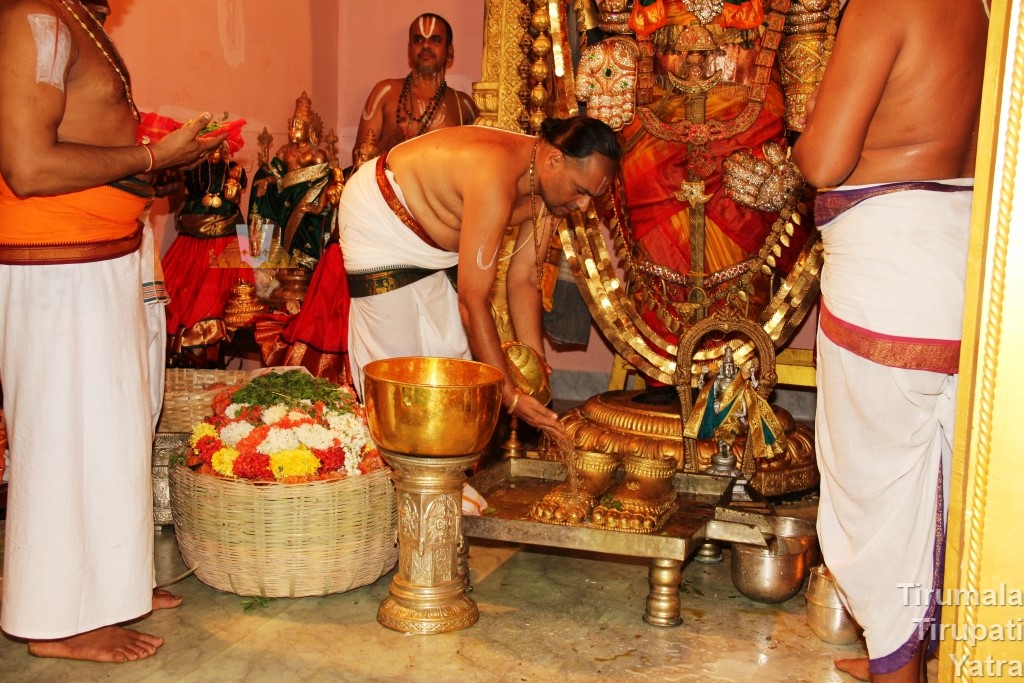
And at the end of the day, they have to check the Tiruvabharanam (Jewels) of Lord and all the gold and silver vessels used for Lord’s Aradhana. Then to lock the doors and return to their residence with temple keys. Apart from this regular services, they also need to (be present all the four families) conduct annual visesha utsavams from time to time, like Brahmotsavams, Pavitrotsavams etc. And apart from Archaktvam service, the Archakas are also entitled to receive honors from temple according to custom and usage of the temple.
The Jeeyangar System
After the first functionary the Vaikhanasa Archakas, the Jeeyangar system is very important in the Temple rituals and festivals. Bhagavad Ramanuja instituted this Jeeyangar and Ekangi system during 11th century. Tirumala temple at present is being served by Sri Pedda Jeeyangar Swami, Sri Chinna Jeeyangar Swami and Ekangis to cater to the needs of Kainkaryams in the temples under the administration of Tirumala.
‘Ekangi’ (or ‘Ekaki’ meaning a celebate) literally means one who wears eka vastram with a Kashayam belt around waist signifying his service to Lord. The first inscriptional evidence to the Jeeyangar system, found to be around 13-14th century. They were also called as ‘Dharmakarthas’ (Trustees) of the temple. They perform majority of services in Sri Venkateswara temple and Sri Varaha Swamy temple, Tirumala, Sri Govindaraja Swamy temple, Tirupati.
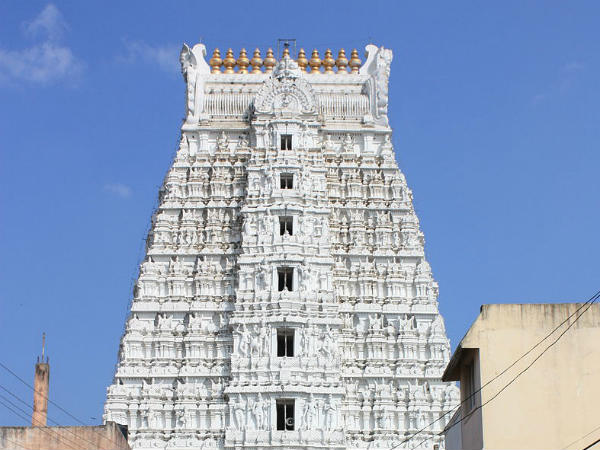
They also have kainkaryam services in Sri Kodanda Rama Swamy temple, Tirupati and Sri Padmavathi Ammavari temple, Tiruchanur (during Annual Brahmotsavams). Ekangis perform Kainkaryams under the supervision of Sri Pedda Jeeyangar. For all important festivals in the above said temples, Pedda Jeeyangar, Chinna Jeeyangar and Ekangi will offer their service to Lord Srinivasa.
Their services in brief
They keep the wooden box containing two sets of Keys for the locks of Bangaru Vakili (which is called as ‘Lachhena Beegala gutti’) in the Pedda Jeeyangari Muttam, opposite to Tirumala temple. They will get ready early in the morning and guarded by Sannidhi golla to the main temple. Chinna Jeeyangar, Ekangi and Jeeyangari gumastha or Jeeyangari Mudra Manishi (who performs the duty of keeping the TTD’s official seal (Hanuman) and printing it on wax during sealing of temple doors) also follows Pedda Jeeyangar Swamy to the Bangaru Vakili.
After opening of doors, the Ekangi have to light the two Akhandams inside Garbhagriham and he must maintain the lighting in those two Akhandams through out the day, by pouring Ghee into the lamps and adjusting the wicks. He also lights up the two hanging lamps on both the sides and the four other hanging lamps, also called as ‘sara vilakku’ in the Sayana Mantapam.
During Srivari Abhishekam (either Mulavirat or Utsava Murti) they will handover the theertham, milk and other abhisheka dravyams to the Archakas, which in turn is offered to Srivaru. The usage and custom in the temple is everything that is offered to the Lord must be passed from the hands of Pedda Jeeyangar (or Chinna Jeeyangar or Ekangi, whoever is present) to the Archaka and then it is inturn offered to the Lord.
Except during Naivedyam to Swami varu, where only Archakas are present inside the Garbhagriham (with the doors of Ramulavari Meda being locked), on all the other occasions, this convention is followed.
They also pass on Tulasi to Archaka, while performing Aradhana, Sathumorai etc. They will bring the basket filled with flower garlands of different sizes, Tulasi for use in Thomala Seva (Morning and Evening), from Yamunottarai (‘Yamunottarai’ is the place where all the flower garlands adorning Lord will be preserved. This is located to the right side of Sri Yoga Narasimha Swami temple inside Vimana Prakaram).
Dhupam, Deepam, Harathi are passed by them to the Archaka on all occasions. They have to lead the Sattumorai and Prabhandha Seva Kalam that happenes during every Thomala Seva and other such occasions. They will receive the first Theertham, Satari and Chandanam honors after Sattumorai in the morning and evening Aradhana.
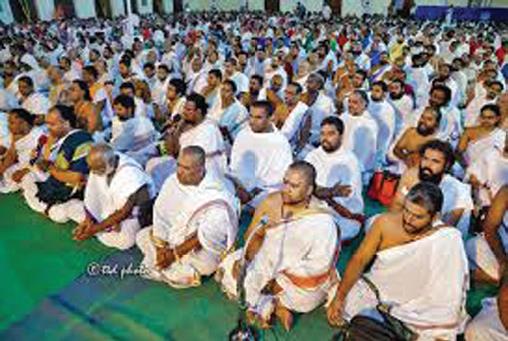
The custom of the temple is while extending the Theertham honor, the person receiving the Theertham will stand outside of Kulasekhara Padi, facing Mulavirat and take the Theertham and after taking the Theertham, comes inside Garbhagriham and receive Satari, Chandanam and Prasadam.
The order of precedence for this honor is Pedda Jeeyangar, Chinna Jeeyangar and Ekangi, followed by Acharya Purushas. They will lead the Sri Vaishnava ghoshti during all processions, (especially during Srivari Annual Brahmotsavams) and recite Divya Prabhandham along with Chinna Jeeyangar, Ekangi, Adhyapakas and Acharya Purushas.
The custom of the shrine is during the Utsavam processions, the Divya Prabhandham recital is conducted infront of Lord’s Vahanam and Veda Parayanam is conducted at the back of Lord’s Vahanam.
At the end of the day, when the doors are closed the Jeeyangar Gumastha will put the Devasthanams Seal on all locks with wax.
The Acharya Purushas
There are totally 7 Acharya Purushas for Tirumala temple. They are
- Thollappacharya (descendants of Tirumala Nambi)
- Purisai (descendants of Ananthalwan)
- Bhavanachari
- Prativadi Bhayankaram (descendants of Prativadi Bhayankaram Annan Swamy)
- Veeravalli
- Kidambi Dharmapuri
- Paravasthu
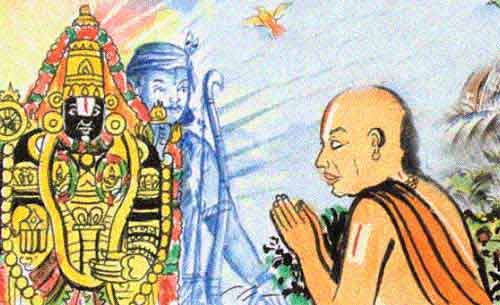
Thollapacharya Acharya Purushas
They are popularly known as ‘Prathama Acharya Purusha’ of Tirumala temple. First of the 7 families of Acharya Purushas and descendants of Tirumala Nambi (10th – 11th century), the Maternal Uncle of Sri Ramanuja. Their services include to bring 3 pots of holy water from Akasa ganga Theertham, situated about 5 Kms distance from the main shrine. This Theertham is used in worship and Abhisheka of Lord Venkateswara.
They also have to recite ‘Mantra Pushpam’ at the end of Thomala Seva in the morning and evening, by handing over Tulasi to the Vaikhanasa Archaka, who inturn offer Tulasi at the lotus feet of Lord Srinivasa. They have to conduct daily Vedaparayana in the temple. Also whenever Lord’s Tirumanjanam is performed, they have to recite Pancha Sukthams and other Vedic hymns along with Vedaparayanadars.
They will also lead the Veda Parayana Ghoshti, during all Processions of Lord Srinivasa Utsava deities and the custom of the shrine is Veda Parayanam will be conducted at the back of Lord’s procession. They will receive first Theertham honor (in Acharya Purushas), after Ekangi in Tirumala Sri Venkateswara, Sri Govindaraja, Tirupati temples.
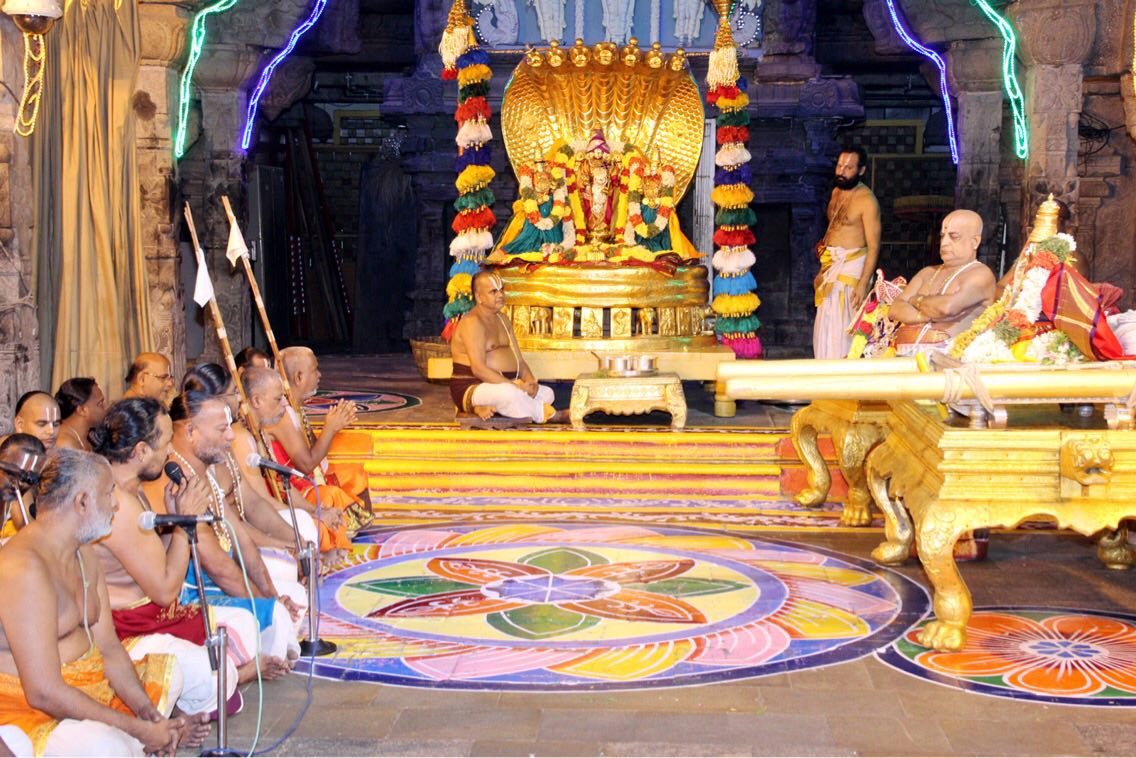
They will also conduct Ubhayams during the annual Adhyayanotsavams at Sri Tirumala temple and Sri Govindaraja Swami temple. Samaradhana is also conducted by them during 10 days Srivari Annual Brahmotsavams. They will maintain and administer Tirumala Nambi shrines at Tirumala (in South mada street) and in Sri Govindaraja Swami temple, Tirupati.
Purisai Family
Their services include to recite Divya Prabhandham during Seva Kalam and during the processions, they will recite Divya Prabhandhams in the Sri Vaishnava ghoshti headed by Pedda Jeeyangar Swamy. They will receive Theertham honors after Thollappacharya.
They will also conduct Ubhayams during the annual Adhyayanotsavams at Sri Tirumala temple and Sri Govindaraja Swami temple. Samaradhana is also conducted by them during 10 days Srivari Annual Brahmotsavams. They will also maintain and administer Sri Madhura Kavi Alwar shrine in Sri Govindaraja Swami temple, Tirupati.
Bhavanacharya Family
Their services include to recite Divya Prabhandham during Seva Kalam and during the processions, they will sing with Sri Pedda Jeeyangar and recite Divya Prabhandhams. They will receive Theertham honors after Purisai. They will also conduct Ubhayams during the annual Adhyayanotsavams at Sri Tirumala temple and Sri Govindaraja Swami temple.
Samaradhana is also conducted by them during 10 days Srivari Annual Brahmotsavams. They will also maintain and administer Sri Nathamuni Alwar temple at Sri Govindaraja Swami temple, Tirupati.
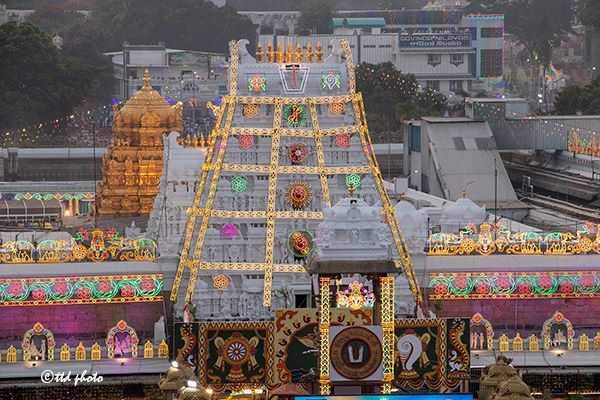
Prativadi Bhayankaram Family
Their services include to recite Divya Prabhandham during Seva Kalam and during the processions, they will join Sri Pedda Jeeyangar and recite Divya Prabhandhams. They will receive Theertham honors after Bhavanacharya. They will also conduct Ubhayams during the annual Adhyayanotsavams at Sri Tirumala temple and Sri Govindaraja Swami temple. Samaradhana is also conducted by them during 10 days Srivari Annual Brahmotsavams.
Veeravalli Family
Their services include to recite Divya Prabhandham during Seva Kalam and during the processions, they will join Sri Pedda Jeeyangar and recite Divya Prabhandhams. They will receive Theertham honors after Prativadi Bhayankaram. They will also conduct Ubhayams during the annual Adhyayanotsavams at Sri Tirumala temple and Sri Govindaraja Swami temple.
Samaradhana is also conducted by them during 10 days Srivari Annual Brahmotsavams. They maintain and administer Sri Manavala Mahamuni temple in Sri Govindaraja Swami temple, Tirupati.
Kidambi Dharmapuri Family
Their services include to recite Divya Prabhandham during Seva Kalam and during the processions, they will join the ghoshti lead by Sri Pedda Jeeyangar Swamy and recite Divya Prabhandhams. They will receive Theertham honors after Veeravalli. They will also conduct Ubhayams during the annual Adhyayanotsavams at Sri Tirumala temple and Sri Govindaraja Swami temple. Samaradhana is also conducted by them during 10 days Srivari Annual Brahmotsavams.
Paravasthu Family
Their services include to recite Divya Prabhandham during Seva Kalam and during the processions, they will join the Sri Vaishnava ghoshti lead by Sri Pedda Jeeyangar Swamy and recite Divya Prabhandhams. They will receive Theertham honors after Kadambi Dharmapuri.
They will also conduct Ubhayams during the annual Adhyayanotsavams at Sri Tirumala temple and Sri Govindaraja Swami temple. Samaradhana is also conducted by them during 10 days Srivari Annual Brahmotsavams. They prepare Chandanam and Betel Leaves in Sri Govindaraja Swami temple, Tirupati.