Skip to content
Shayana Ekadashi 2025
Tholi Ekadasi on 06.07.2025
As the monsoon awakens the land, a deeper stirring begins within the devotee’s heart. It is the time of Shayana Ekadashi – the sacred day when Lord Vishnu, the preserver of the cosmos, enters Divine Slumber. And with that, begins Chaturmasya – a four month journey of devotion, discipline, and divine connection.
While Ekadashi returns twice every month, the first one in the month of Ashadha is most sacred. On this day, devotees observe strict fasts, offer heartfelt prayers, and meditate on Lord Vishnu’s name. It is said that those who fast on Ekadashi and break their fast by offering food to others on Dwadashi attain blessings that carry them toward liberation.
The first one of Ashada
The Sanatana tradition does not merely mark time – it sanctifies it. Its festivals and observances are not arbitrary occasions but carefully aligned moments within the cosmic pulse. Among these, the observance of Ekadashi, especially the first one of Ashadha – Shayana Ekadashi – offers a compelling lens into the integration of metaphysical symbolism, health-conscious discipline, and spiritual elevation.
Why does the Lord sleep? Our scriptures say it is the rhythm of the universe. Even God, after sustaining the world tirelessly, rests – offering us a profound reminder: rest is sacred. Reflection is divine. On this day, Lord Vishnu is believed to enter Yoga Nidra, a divine sleep. This symbolic repose inaugurates Chaturmasya, a period of spiritual stillness and sadhana. It is not merely a divine narrative but a model of cyclical introspection. The Preserver sleeps – not in neglect, but in perfect rest- inviting creation itself to pause and realign.
During these four months, saints, monks, and traditional householders embrace the Chaturmasya Deeksha. They avoid rich or tamasic foods and live simply – on vegetables, grains, and roots – purifying both body and spirit.
The Holistic Benefits of Chaturmas Observances
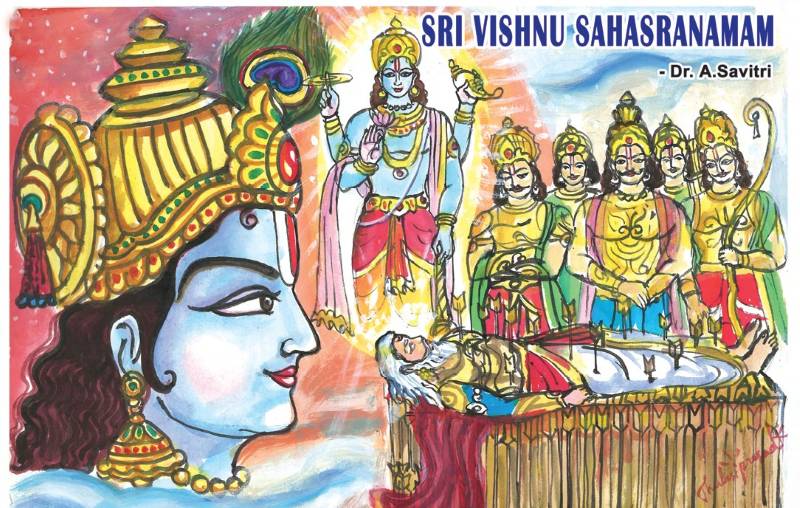
In temples, the air is filled with the sound of Vishnu Sahasranama, the stories of the Bhagavata Purana, and the light of countless lamps. The wisdom hidden in these observances is profound. It is not just about worship – it is about well-being. The dietary discipline restores health. The spiritual focus renews the soul. The body becomes a temple; the heart, a vessel for divine grace.
Ascetics and householders alike undertake vows during these months – limiting diet, travel, and indulgence. The food codes – root vegetables, grains, and satthvic fare – are not only spiritually purifying but physiologically restorative.
Contemporary nutritionists may recognize it as a detox, but in essence, it is a subtle yogic alignment of body and spirit.
What emerges is a unique harmony of
- tapasya (austerity),
- bhakti (devotion), and
- anushasana (discipline).
Night-long vigils (Jagarana), recitations of the Vishnu Sahasranama, and the story-telling of the Bhagavata Purana create a field of collective meditative energy. As the Lord rests in Yoga Nidra, we are invited to awaken. To slow down and to reflect. To align ourselves with the eternal rhythm.
From a metaphysical standpoint, the Lord’s descent into Yoga Nidra is not escape but immersion. The Vishnu Purana tells us that during the Chaturmasya period – particularly after the festival of Baliprathipada – Lord Vishnu is said to reside in Paathaala, the subterranean realm, in the company of the noble King Maha Bali. This episode is not merely a mythological event but a profound symbol of divine withdrawal and inner transformation.
The Symbolism of Vishnu’s Abode in Paathaala
Paathaala, often misunderstood as a realm of darkness, actually represents the deepest layers of the subconscious mind, where hidden karmas, impressions, and desires lie dormant. The presence of Lord Vishnu in this realm signifies a sacred descent into these depths – not to condemn, but to sanctify and elevate them.
King MahaBali, renowned for his humility and devotion, becomes a symbol of surrendered ego, one who rules the Underworld (Paathaala Loka) not through pride, but through grace. Thus, Vishnu’s stay in Pathaala is a metaphor for the soul’s inward journey – a divine pause where cosmic forces recalibrate human consciousness.
As the Lord rises again, it marks not just a seasonal transition, but the reawakening of spiritual vitality and the soul’s resurgence towards light and liberation. The symbolism is rich – representing a divine engagement with the deepest layers of consciousness and karma, before rising again on Utthana Ekadashi.
These observances, therefore, serve as meditative architecture. They discipline time, refine the senses, and remind the practitioner that in the silence of God’s slumber lies the seed of our own awakening. Come, let us observe these sacred months with devotion, discipline, and delight – for in honoring them, we honor the soul within us.
Source Reference
Information drawn from traditional Vaishnava lore, Vishnu Purana, and customary observances of Chaturmasya and Ekadashi as practiced in South Indian temple traditions.